The Best CRM Software for SMB: Top Picks & Reviews
Explore top CRM software for SMBs in 2026. Find the best solutions to enhance your business operations and customer relationships.

Neste artigo
- What is CRM?
- Importance of CRM for SMBs
- Top CRM Software for SMBs in 2026
- Features to Consider When Choosing a CRM
- Conclusion
- FAQ
In 2026, the landscape of business management is evolving rapidly, and having the right tools is essential for success. One of the most critical tools for small and medium-sized businesses (SMBs) is a Customer Relationship Management (CRM) system. A robust CRM SMB solution can streamline operations, enhance customer interactions, and ultimately drive growth.
As businesses continue to adapt to changing market conditions, the importance of CRM systems becomes even more pronounced. These systems not only help in managing customer relationships but also play a pivotal role in analyzing customer data, which can lead to better marketing strategies and improved sales performance.
What is CRM?
CRM stands for Customer Relationship Management. It refers to a technology that helps businesses manage their interactions with current and potential customers. By utilizing CRM software, companies can organize, automate, and synchronize sales, marketing, customer service, and technical support. This unified approach allows businesses to maintain operational clarity and improve client-centric efficiency.
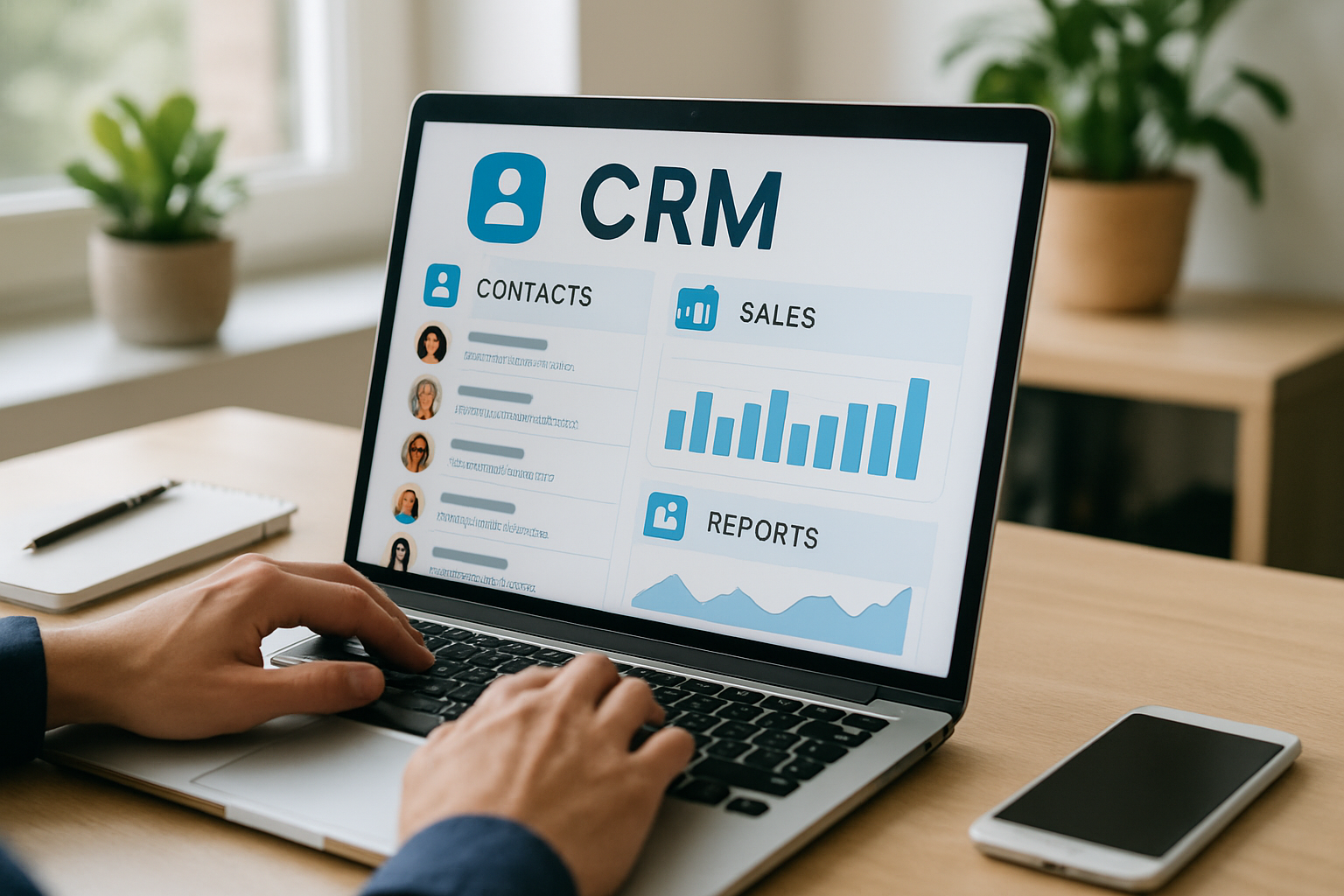
Moreover, CRM systems can be categorized into various types, including operational, analytical, and collaborative CRMs. Operational CRMs focus on streamlining customer interactions and processes, analytical CRMs analyze customer data to enhance decision-making, and collaborative CRMs facilitate communication across different departments. Understanding these categories can help businesses choose the right CRM that aligns with their specific needs.
For instance, a small business that primarily focuses on sales might benefit more from an operational CRM, while a company that relies heavily on data analysis for marketing strategies may find analytical CRMs more beneficial. This tailored approach ensures that businesses can leverage the full potential of their CRM systems.
Importance of CRM for SMBs
For SMBs, implementing a CRM system is not just a luxury; it’s a necessity. Here are some reasons why:
- Streamlined Operations: A CRM system centralizes customer data, which helps in reducing the time spent on administrative tasks. This centralization allows teams to access information quickly, leading to faster decision-making and improved efficiency.
- Enhanced Customer Relationships: By keeping track of customer interactions, SMBs can provide personalized experiences, leading to higher customer satisfaction. For instance, a CRM can remind sales teams of follow-up calls or emails, ensuring no customer feels neglected.
- Data-Driven Decisions: With integrated analytics, businesses can make informed decisions based on real-time data. This capability allows SMBs to identify trends, measure campaign effectiveness, and adjust strategies accordingly.
- Scalability: As businesses grow, a CRM can adapt to changing needs, ensuring that operations remain efficient. For example, as a company expands its product line, the CRM can be customized to track new customer segments and sales channels.
Additionally, CRM systems can significantly improve team collaboration. By providing a shared platform for customer data, team members can work together more effectively, ensuring everyone is on the same page regarding customer interactions and strategies. This collaborative environment fosters a culture of transparency and accountability, which is vital for small teams.
Furthermore, CRM systems can enhance customer retention rates. According to a study by Gov.br, acquiring a new customer can cost five times more than retaining an existing one. By utilizing a CRM to track customer satisfaction and engagement, SMBs can implement strategies to improve loyalty and reduce churn.
Moreover, a report from Sebrae highlights that businesses using CRM systems see a significant increase in customer retention and satisfaction, which are crucial for long-term success. This emphasizes the importance of investing in a CRM system tailored to the specific needs of SMBs.
Top CRM Software for SMBs in 2026
As we navigate through 2026, several CRM solutions stand out for their features, affordability, and user-friendliness. Here are our top picks:
1. My Business Suite
My Business Suite is an all-in-one business management software designed specifically for SMBs. It offers a comprehensive suite of tools that streamline operations, manage customer relationships, and track finances. With its user-friendly interface and powerful features, it serves as a growth catalyst for entrepreneurs. The software integrates various functionalities, allowing users to manage everything from customer interactions to financial reporting in one place.
One of the standout features of My Business Suite is its ability to provide real-time analytics and reporting. This allows businesses to monitor their performance and make adjustments on the fly. For example, if a particular marketing campaign is underperforming, users can quickly identify the issue and pivot their strategy accordingly.
2. HubSpot CRM
HubSpot CRM is known for its free tier, making it an excellent choice for startups and small businesses. It provides essential features such as contact management, email tracking, and reporting tools, all designed to enhance client interactions. Additionally, HubSpot offers a range of marketing tools that can be integrated with the CRM, allowing businesses to run campaigns directly from the platform.
HubSpot's user-friendly interface and extensive educational resources make it easy for teams to get up to speed quickly. The platform also offers automation features that can save time on repetitive tasks, allowing teams to focus on more strategic initiatives.
3. Zoho CRM
Zoho CRM offers a flexible pricing model and a wide range of features, including sales automation, marketing automation, and customer support tools. Its scalability makes it ideal for growing businesses. Zoho also provides advanced analytics and AI-driven insights, helping businesses understand customer behavior and preferences better.
For example, Zoho's AI assistant can analyze customer interactions and suggest the best times to reach out, optimizing engagement efforts. This level of personalization can significantly enhance customer experiences and drive conversions.
4. Salesforce Essentials
Salesforce Essentials is tailored for small businesses, providing a simplified version of the powerful Salesforce platform. It includes features like lead management, opportunity tracking, and customizable dashboards. Salesforce's extensive ecosystem of apps and integrations allows businesses to expand their CRM capabilities as needed.
Moreover, Salesforce Essentials offers robust training and support resources, ensuring that teams can maximize the platform's potential. This is particularly beneficial for SMBs that may not have dedicated IT staff to manage complex software.
5. Pipedrive
Pipedrive is a sales-focused CRM that helps teams manage leads and deals effectively. Its visual pipeline and automation features allow SMBs to optimize their sales processes. Pipedrive also offers robust reporting tools that enable users to track sales performance and forecast future revenue accurately.
With Pipedrive, sales teams can easily visualize their sales process, identify bottlenecks, and implement strategies to improve conversion rates. This level of insight is invaluable for SMBs looking to scale their operations.
Features to Consider When Choosing a CRM
When selecting a CRM for your SMB, consider the following features:
- User-Friendly Interface: A simple and intuitive interface ensures that your team can adopt the software quickly. A steep learning curve can hinder productivity, so ease of use is crucial.
- Customization Options: Look for a CRM that allows you to tailor features to fit your specific business needs. Custom fields, workflows, and reports can make a significant difference in how effectively the CRM serves your business.
- Integration Capabilities: Ensure the CRM can integrate with other tools you use, such as email marketing platforms and accounting software. Seamless integration reduces data silos and enhances overall efficiency.
- Analytics and Reporting: Robust reporting features help you track performance and make data-driven decisions. Look for CRMs that offer customizable dashboards and real-time analytics.
- Customer Support: Reliable customer support is crucial for resolving issues and maximizing the software's potential. Check for available support channels, such as live chat, phone support, and knowledge bases.
Additionally, consider the mobile capabilities of the CRM. In today’s fast-paced business environment, having access to customer data on-the-go can significantly enhance productivity and responsiveness. A mobile-friendly CRM allows team members to update information, track leads, and communicate with clients from anywhere, which is increasingly important in a remote work environment.
Another critical feature to consider is the level of automation offered by the CRM. Automation can significantly reduce manual tasks, allowing teams to focus on higher-value activities. For example, automated follow-up emails can ensure that no lead falls through the cracks, improving conversion rates and customer satisfaction.
Conclusion
In 2026, the right CRM software can be a game-changer for SMBs. By choosing a solution that aligns with your business goals, you can enhance operational efficiency, improve customer relationships, and drive growth. My Business Suite stands out as a comprehensive option that caters to the unique needs of small businesses, making it easier for entrepreneurs to focus on what they do best. Investing in a CRM is not just about managing customer relationships; it's about empowering your business to thrive in a competitive landscape.
As we move forward, the importance of CRM systems will only continue to grow. Businesses that leverage these tools effectively will not only improve their internal processes but also create lasting relationships with their customers. In a world where customer expectations are constantly evolving, having a robust CRM system in place is essential for staying ahead of the competition.
According to a recent analysis by IBGE, businesses that effectively utilize CRM systems can see a marked improvement in customer engagement and retention, which are vital for long-term success.
In conclusion, the investment in a CRM system is not merely a technological upgrade; it is a strategic move that can define the future of your business. By understanding the unique needs of your SMB and selecting the right CRM, you can position your company for sustained growth and success in an increasingly competitive market.
FAQWhat is the best CRM for small businesses in 2026?
While there are many options, My Business Suite, HubSpot CRM, and Zoho CRM are among the top choices for small businesses in 2026.
How can a CRM help my business grow?
A CRM helps by streamlining operations, enhancing customer relationships, and providing data-driven insights that inform strategic decisions. For example, a business using CRM analytics can identify which products are most popular and adjust inventory accordingly.
Is CRM software expensive?
Many CRM solutions offer flexible pricing models, including free tiers, making them accessible for SMBs with limited budgets. It's essential to evaluate the features offered at each pricing level to ensure you get the best value.
Can I customize my CRM?
Most modern CRM systems, including My Business Suite, offer customization options to tailor the software to your specific business needs. This flexibility allows businesses to create workflows that match their unique processes.
How do I choose the right CRM for my business?
Consider factors such as user-friendliness, features, integration capabilities, and customer support when selecting a CRM. Additionally, take advantage of free trials to test the software before making a commitment.